Claim Your Veteran Discount Today!
Reduce Property Fire Risks With Effective Wildfire Mitigation
Dry vegetation, dead trees, and accumulated combustible debris can increase wildfire exposure around homes, ranches, and properties. During periods of drought and low moisture, vegetation can become highly flammable, creating conditions that allow fire to spread more readily. Properties surrounded by unmanaged trees, dense brush, or dead plant material may face additional risks when wildfire conditions develop. Without appropriate vegetation management, combustible materials can remain close to buildings and other valuable property features. Addressing these conditions before a wildfire occurs is an important part of responsible property maintenance.
At Roaring Fork Tree Care, LLC, we provide wildfire mitigation in Gypsum, CO, and the surrounding areas to help property owners reduce hazardous vegetation and improve defensible space. We understand the concerns that come with maintaining property in an area where dry conditions can increase fire exposure. Our work focuses on managing combustible vegetation, addressing hazardous trees, and creating more separation between structures and surrounding plant material. With 26 years of local familiarity and 10 years of tree care industry experience, we bring a practical understanding of property maintenance challenges in the region. Contact us to discuss your property and learn how vegetation management can support your wildfire preparation efforts.
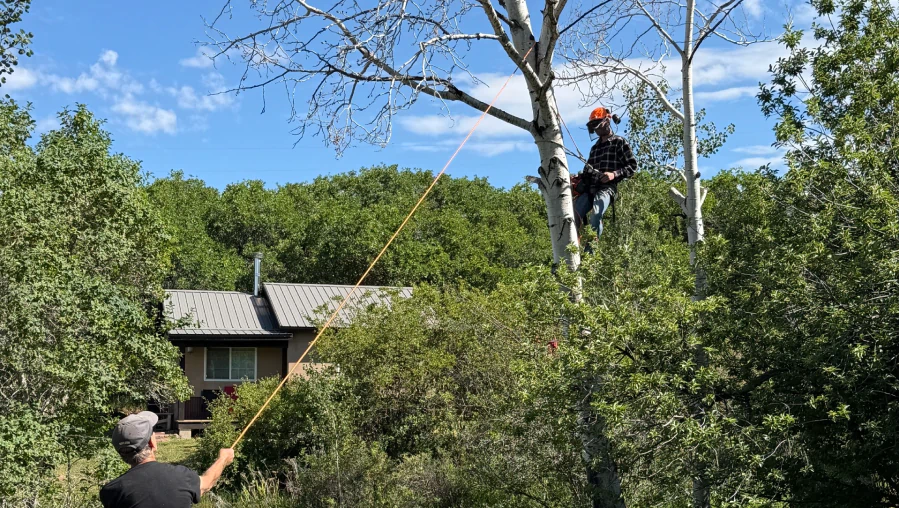
Reduce Combustible Vegetation Around Your Property in Gypsum, CO, and Surrounding Areas
Wildfire mitigation focuses on reducing conditions that can contribute to fire spread. One important part of this work is creating and maintaining defensible space around homes and other structures.
Defensible space involves managing vegetation and combustible materials to reduce available fuel near buildings. It does not eliminate wildfire risk, but it can help improve the conditions surrounding a property.
Our wildfire mitigation services address several common concerns:
- Defensible Space Clearing: Dense vegetation and combustible materials close to structures can contribute to wildfire exposure. We help property owners manage these materials and improve separation between buildings and surrounding vegetation where appropriate.
- Hazardous Tree Management: Dead, damaged, or unstable trees may contribute to fuel accumulation and create additional property hazards. We evaluate these trees and discuss suitable trimming or removal options based on their condition and location.
- Dead Vegetation Reduction: Dry branches, dead trees, and accumulated woody debris can increase available wildfire fuel. Removing or reducing these materials helps property owners manage combustible vegetation around frequently used and developed areas.
- Vegetation Spacing: Closely grouped trees and shrubs may create continuous paths for fire to move through vegetation. Selective clearing and pruning can help interrupt these connections while considering the condition of remaining trees.
- Property-Specific Fuel Reduction: Ranches, residential lots, and commercial properties have different vegetation patterns and maintenance needs. We assess accessible areas and discuss practical approaches to reducing combustible material based on property conditions.
Our wildfire defensible space services are intended to support property owners who want to take proactive steps before fire conditions become more severe.
The scope of work depends on vegetation density, terrain, access, and the location of structures. Defensible space recommendations may also be influenced by applicable local fire guidance and property requirements.
For individual hazardous trees, we offer tree removal services. Our tree trimming and pruning can also help manage branches and vegetation around developed areas.
Prepare Your Property With Practical Fire Risk Reduction
Wildfire preparation requires attention to the vegetation and combustible materials surrounding your property. At Roaring Fork Tree Care, LLC, we work with homeowners and ranch owners that want to address potential fire fuels before conditions worsen. We understand that dry vegetation, dead trees, and overgrown areas can create concerns during periods of elevated wildfire danger. Our approach focuses on evaluating the property and identifying vegetation management work that may help reduce exposure. We provide personalized service and clear communication throughout the process.
When you contact us, we discuss the areas of your property that concern you most. We consider the presence of dead vegetation, hazardous trees, dense growth, and the relationship between vegetation and nearby structures. The work required varies based on property size, terrain, vegetation conditions, and accessibility. We discuss practical options for reducing combustible materials while considering the condition of trees that may remain. Our goal is to help customers make informed decisions about property maintenance and wildfire preparation.
We also recognize that wildfire mitigation is an ongoing responsibility rather than a one-time guarantee of protection. Vegetation continues to grow, dry material can accumulate, and changing weather conditions may affect property exposure. Routine maintenance and attention to defensible space can help property owners manage these concerns over time. When damaged trees create immediate safety issues, our emergency tree services are available 24/7. Choose Roaring Fork Tree Care, LLC for professional wildfire mitigation in Gypsum, CO, and surrounding communities.
Get Help With Hazardous Trees Today
Facing a dangerous tree situation? We offer 24/7 assistance for urgent tree hazards.
Frequently Asked Questions About Wildfire Mitigation
-
Wildfire mitigation involves reducing conditions that may contribute to fire ignition or spread around a property. Vegetation management can include removing dead plant material, addressing hazardous trees, and improving spacing between combustible vegetation and structures. These measures help reduce certain risks but cannot guarantee protection from wildfire.
-
Defensible space is an area around a building where vegetation and other combustible materials are managed to reduce wildfire exposure. The appropriate treatment depends on distance from structures, vegetation type, terrain, and applicable fire guidance. Maintaining this space is an important part of ongoing wildfire preparation.
-
No. Wildfire mitigation does not necessarily require removing every nearby tree. Selective pruning, removal of dead material, and appropriate vegetation spacing may be suitable depending on site conditions. We assess the property and discuss practical tree care options.
-
Property owners should consider wildfire mitigation before periods of elevated fire danger whenever conditions allow. Waiting until severe drought or an active wildfire develops can limit available options. Ongoing vegetation maintenance can help keep defensible space more manageable throughout the year.
-
No wildfire mitigation service can guarantee that a structure will survive a wildfire. Reducing combustible vegetation and maintaining defensible space can help lower certain exposure risks. Effective preparation may also involve building materials, ember-resistant features, and guidance from local fire authorities.